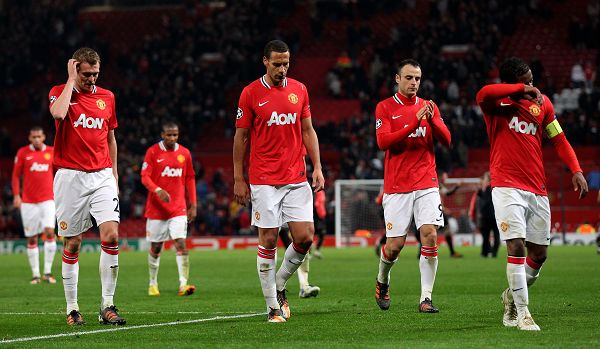

伯爵宫梦碎?切尔西站在球场抉择的十字路口(伯爵宫梦想搁浅?切尔西抵达球场取舍的分岔口)
发布时间:2026-01-05
Analyzing Earls Court's Future

I need to examine why the plans for Earls Court fell through, especially since they don't include the stadium. There are various factors at play: politics, transportation issues, commitments to residents, and affordable housing concerns.
Now, I should consider options like rebuilding Stamford Bridge, developing a new stadium at the current site, or relocating to areas like Old Oak Common or Wormwood Scrubs. Groundsharing with teams like Fulham or Spurs at Wembley is also on the table.
I'll also sketch out scenarios and timelines for 2026-2030+. Let's keep the analysis concise and structured with a few headings.Drafting Stadium Analysis
The conclusion is pretty clear: the Earls Court stadium seems unlikely to happen. Chelsea is at a crucial juncture, with the most probable path being to rebuild Stamford Bridge on-site, aiming for a capacity of 60-65k. This could take 7-8 years, with Wembley as a temporary ground for 2-4 seasons. Supporter approval and compensation may be needed for naming rights tied to the Chelsea Pitch Owners.

Currently, the ECDC masterplan doesn't include a stadium; however, Chelsea's acquisition of the Stoll site has possibilities. Several other relocation options prove less viable due to political and logistical challenges.
十字路口
现状速览(截至2024)

三大方案对比
财务与合规
时间线与风险
建议路线
若你想,我可以按三种容量档位(55k/62k/68k)给出更细的收入测算、现金流曲线与停场情景对比,便于董事会决策演示。